Switch to a different language:

Music Distribution Made Simple
This free lesson book was born out of a realization during the survey stage of the Erasmus+ funded project “Empowering Digital Transformations for Senior Musicians”. When we spoke with senior musicians, they shared stories of feeling overwhelmed by the pace of digital change and unsure of how to navigate the distribution and marketing tools and platforms of today’s music industry. Recognizing these shared challenges, it felt natural to create a resource that could address their needs.

The European Commission support for the production of this publication does not constitute an endorsement of the contents which reflects the views only of the authors, and the Commission cannot be held responsible for any use which may be made of the information
contained therein.
Get the Free eBook
Preface: Embracing Change, One Note at a Time

I still remember the day I realized the music world was changing faster than I could keep up. For years, I had felt comfortable in my rhythm—literally and figuratively. Back then, I was so grateful that all I had to do was focus on making great music. I was signed to a label distributed by Universal Music Group France, and they handled everything else quite efficiently. They took care of the distribution, marketing, and all the technical aspects that seemed so far removed from my world of melodies and lyrics. I was fortunate enough to have my music featured on best-selling CD compilations alongside renowned artists like David Guetta, Snoop Dogg, and the Pussycat Dolls. It was an incredible time, and I felt like I was living every musician’s dream.
But then the internet began to transform everything. Streaming platforms took over, and terms like “metadata” and “algorithms” became essential to success. Suddenly, I noticed an influx of new, self-made artists who were building their careers online, carving out fanbases, and thriving without traditional industry backing. The competition was fiercer than ever, and the market quickly became oversaturated. For the first time, I realized that if I wanted to stay relevant, I had to upskill myself and start doing things differently. The world had shifted, and it was time for me to shift with it.
One evening, after an exhausting day of trying to upload a track to what felt like an alien platform, I shut my laptop and poured myself a cup of tea, thinking, “Maybe I’ve missed my time.” But as I sat there, defeated, my eyes fell on the piano in the corner of my studio. It reminded me of the early days when I was just starting out in studio work, sound engineering, and music production. Back then, everything felt overwhelming, and there were times when the challenges seemed insurmountable. But I pushed through, working tirelessly to master my craft. That dedication eventually paid off, earning me recognition and the privilege of becoming an award-winning producer. In that moment, I realized that this digital transformation was no different. The tools might have changed, but the goal—to share my music with the world—remained the same. If I could learn and succeed in those early days, surely I could figure this out too.
This turning point didn’t come without its struggles. I remember uploading the same track five times before finally figuring out how to tag it correctly. I sent countless emails to platforms, trying to make sense of analytics and how to interpret the numbers. But then, something magical happened. Listeners started streaming my music—not just locally, but across countries. For the first time, I felt the reach of the digital world. Messages began pouring in from people sharing how much my songs meant to them. It was during the MySpace era, and for the first time, I felt a real, live connection with my listeners—something I’d never experienced with the silent CD sales I had generated up to that point.
One message, in particular, has stayed with me. A girl from Paris wrote to tell me she’d heard my song in a club, and it made her night unforgettable. That message filled me with pride, not only because my music had made it to Paris, but because I could see it was living its own life, traveling the world faster than I ever could. For the first time, I truly understood that this digital stage was boundless, giving my music the power to reach hearts I’d never imagined.
This lesson book was born out of a realization during the survey stage of the Erasmus+ funded project Empowering Digital Transformations for Senior Musicians. When we spoke with senior musicians, I discovered that many of them were experiencing the same struggles I had faced. They shared stories of feeling overwhelmed by the pace of digital change and unsure of how to navigate the tools and platforms of today’s music industry. Recognizing these shared challenges, it felt natural to create a resource that could address their needs. Drawing on my years of experience in digital music distribution, this book is designed to bridge those knowledge gaps and provide musicians with a clear, empowering guide to thrive in the digital era. It’s more than a guide—it’s a way to ensure that no musician feels left behind in this rapidly evolving industry.
But let me be clear—this book isn’t just for senior musicians. It’s for anyone who has ever doubted their ability to adapt, anyone who feels that learning something new might be beyond their reach. Whether you’re a seasoned musician or someone just starting out, there’s always room to grow. Even the most skilled professionals can discover something unexpected when they open themselves up to change.
Think of this lesson book as a friend who’s walked the same road you’re on. It’s filled with practical advice and clear steps, but more importantly, it’s written with the belief that every artist has the ability to evolve. Because the truth is, change is hard—but staying the same is harder when the world keeps moving forward.
The digital stage is vast, exciting, and yes, a little intimidating. But you’ve already done the hardest part: creating music that speaks to people. Now, all that’s left is to share it with a world that’s waiting to listen. So take a deep breath, open your mind to the possibilities, and let’s embrace this new journey together. After all, the music industry may change, but the heart of it—your passion—never will. And that is the only tool you’ll ever truly need.
Lesson 1: Introduction to Music Distribution
What is Music Distribution?
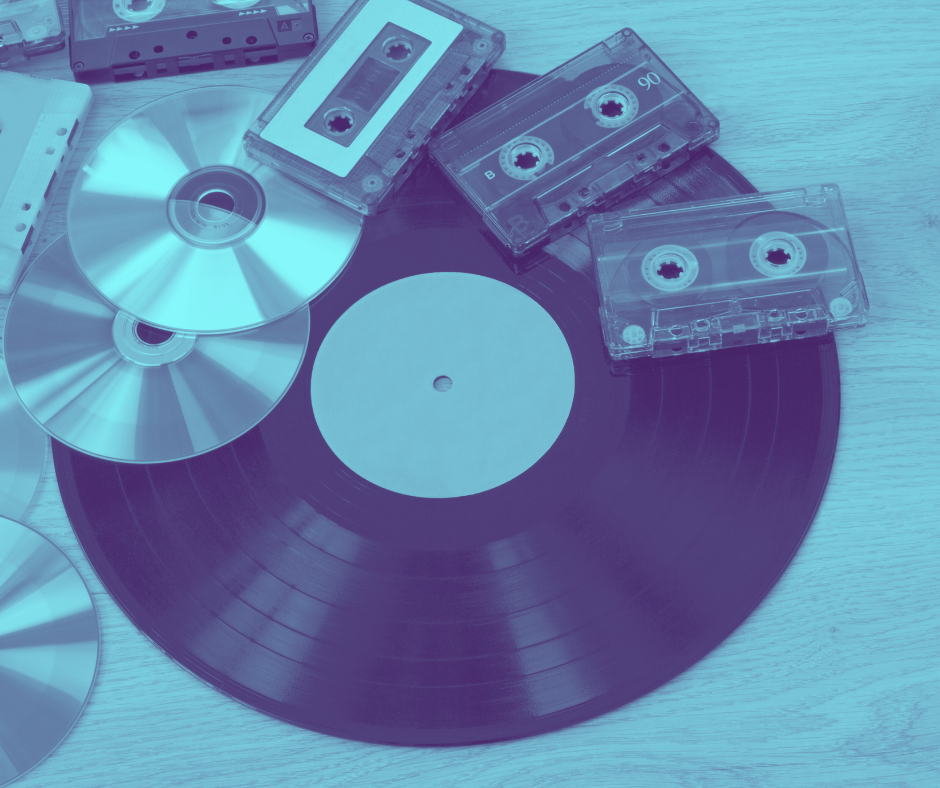
Simply said, music distribution is the process of getting your music from the studio to your listeners. In the past, this meant creating physical copies like vinyl records, cassettes, or CDs and selling them in stores or at live performances.
Historically, music distribution addressed a fundamental challenge: the inability to share performances beyond a specific time and place. Before the invention of recording technology, the only way to experience music was through live performances in concert halls, churches, or gatherings. Distribution became necessary as technological advancements like the phonograph, vinyl records, and later, cassette tapes and CDs allowed music to be captured, replicated, and shared. It provided a way for artists to preserve their art and ensure that it could reach audiences far and wide, transcending the boundaries of physical location and live events.
The journey of recorded music distribution began with the invention of the phonograph by Thomas Edison in 1877, which allowed sound to be captured and played back. Over time, vinyl records, cassette tapes, and CDs became the primary formats through which audiences consumed music, with physical stores serving as the main distribution hubs.

Music distribution exists to connect artists with their audience by ensuring that their music is accessible to listeners, whether through physical or digital means. At its core, distribution serves as the essential bridge between the creation of music and its consumption, allowing songs to travel from studios into the ears and lives of people around the world.
In terms of audience habits, the invention of the transistor radio in 1954 marked a pivotal moment in the way people consumed music. For the first time, music became truly portable, allowing people to carry their favorite tunes wherever they went and listen on their own terms. A transistor radio is a small portable radio receiver that uses transistor-based circuitry. Despite its initial mediocre performance, the novelty of its compact size and portability led to sales of approximately 150,000 units.
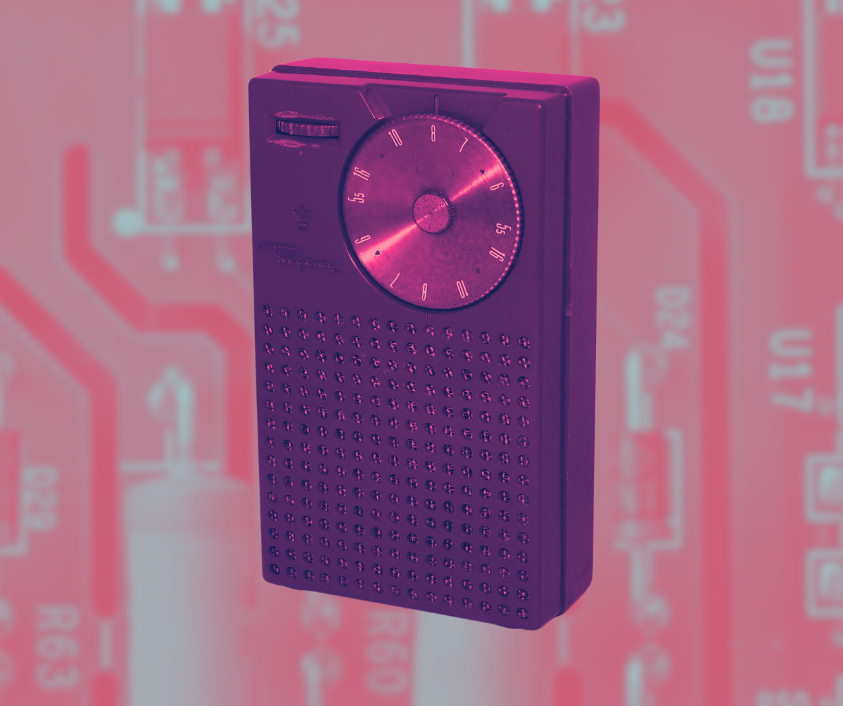
Previously, transistors were mainly used in military or industrial applications, but the TR-1 demonstrated their potential for consumer electronics. It offered a glimpse into a future filled with small, handheld devices that would eventually evolve into calculators, mobile phones, tablets, and more.
By the 1960s and 1970s, transistor radios became the most popular electronic communication device in history, with billions manufactured. Their pocket-sized design sparked a revolution in music consumption, allowing people to listen to music wherever they went. This shift in accessibility transformed music from an activity tied to a specific location into a more personal and portable experience, setting the stage for future innovations in how audiences engage with music.
The next significant milestone came in 1979 with the release of the Sony Walkman, a portable cassette player that revolutionized personal music listening. The Walkman allowed users to enjoy their favorite music privately, using lightweight headphones—a novelty at the time.
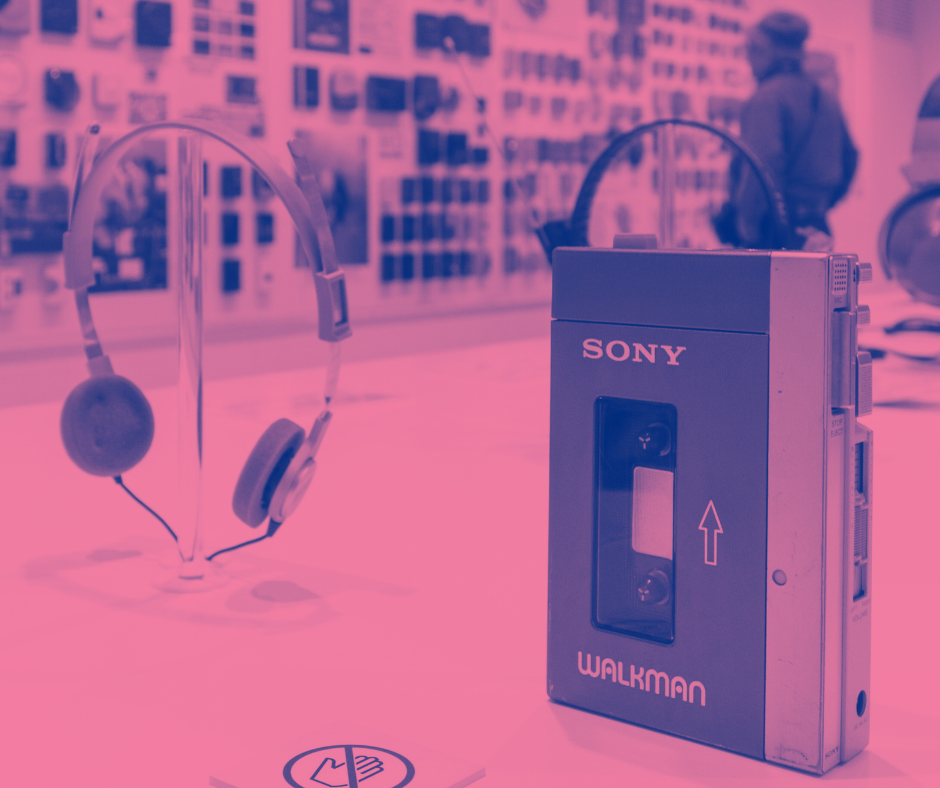
This innovation turned music into an on-the-go experience, influencing how people connected with their playlists in daily life. Following the Walkman’s success, portable CD players like Sony’s Discman in the 1980s and 1990s introduced digital sound quality to mobility, maintaining the trend of music accessibility in an increasingly portable format.
The dawn of the digital era brought MP3 players, with the first mainstream model—the MPMan—appearing in 1998. These devices allowed users to carry a much larger music library compared to cassettes or CDs, all within a small and lightweight design. This evolution culminated in Apple’s iPod in 2001, which simplified the interface and popularized the concept of carrying “a thousand songs in your pocket.”
Before the recording industry, music was confined to live performances in concert halls, churches, or other physical venues. People had to be present at a specific time and place to experience music. The recording industry emerged to solve this limitation, allowing listeners to access music from a location and time of their choice. Initially, the gramophone was considered a home appliance, enabling families to gather around and enjoy music in their living rooms. Over time, the desire for greater convenience led to the development of portable players like the Walkman and MP3 players.
Today, this evolution has culminated in the ability to carry an entire repertoire of music in our pockets, accessible to stream from anywhere on a smartphone. Platforms like Spotify and Apple Music allow listeners to access millions of tracks instantly, transforming music from a tangible product to a seamless digital experience. This journey—from the transistor radio to streaming services—reflects the ongoing drive for portability, personalization, and immediacy in music consumption, shaping how audiences engage with music today.
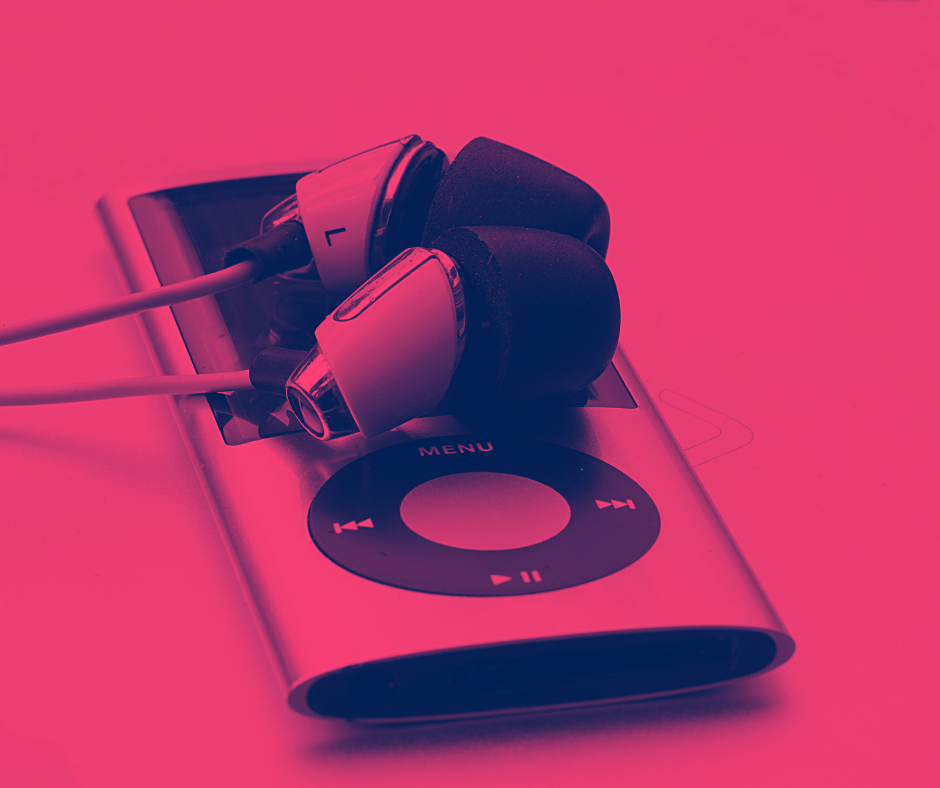
Today, with digital distribution, the process is done entirely online, transforming how music is accessed and enjoyed. Artists can upload their music to platforms like Spotify, Apple Music, and YouTube, making it instantly available to listeners worldwide. Unlike in the past, where purchasing an album or single was necessary, listeners now have access to entire music catalogs through streaming services, often for a small subscription fee or even for free with ads. This shift has not only expanded access to music but also changed how we listen—songs are now part of playlists tailored by algorithms, and music is consumed on demand, anytime and anywhere.

Digital distribution acts as the bridge between musicians and their audience. You upload your tracks to a digital distribution service, and the service ensures your music is available on various streaming platforms. This removes the need for a record label or physical sales outlets, giving independent musicians more control over their music and career. As a result, the music industry has democratized, enabling artists from all backgrounds to reach global audiences with unprecedented ease.
Why Digital Distribution is Essential for Independent Artists?
Digital distribution has become an indispensable tool for independent artists, empowering them to control their careers and reach a global audience without the gatekeeping of traditional record labels. I remember when I first realized the power of digital platforms—uploading a song and knowing that within hours, it could be heard anywhere in the world felt like magic. Platforms like Spotify and Apple Music have transformed the industry, offering independent artists the chance to bypass outdated systems and connect directly with their listeners.
One of the most liberating aspects of digital distribution is the control it gives artists over their music. You decide when to release a track, how to market it, and most importantly, you retain the rights to your work. For someone like me, who has always valued creative freedom, this is a game-changer. Gone are the days when you needed to wait months for a record label to approve your release. Now, if you’re inspired, you can drop a song next week and share it with the world.
The cost savings are another huge benefit. Without the need for physical manufacturing—no CDs to press, no vinyl to cut—independent artists can experiment more freely. You can release a single one month, an EP the next, without the financial strain that used to accompany physical production. This flexibility means you can stay creative and keep your audience engaged with regular releases.
And let’s not forget the data. Streaming platforms provide detailed insights into listener behavior—who’s playing your songs, where they are, and which tracks resonate the most. As someone who loves understanding the “why” behind things, this kind of feedback is invaluable. It allows artists to refine their strategies, target their marketing efforts, and even decide where to plan a tour. Back in the day, you’d rely on intuition and sparse sales data, but now, the numbers are right there, guiding you like a roadmap.

Then there’s the connection with fans. Digital platforms and social media allow artists to interact directly with their audience, building relationships that go beyond the music. I’ve had fans reach out from places I’d never imagined my music would reach, and those moments remind me why I started this journey in the first place. The loyalty and support you can foster through these direct interactions are priceless.
Perhaps the most exciting part of digital distribution is its adaptability. The music industry is constantly evolving, with new platforms, trends, and technologies emerging all the time. Digital distribution keeps you agile, giving you the tools to pivot and stay relevant. Whether it’s experimenting with TikTok, releasing immersive visual albums, or exploring new monetization models like NFTs, the digital space is full of possibilities.
For me, embracing digital distribution felt like stepping onto a stage without borders. It’s not just about sharing your music; it’s about owning your journey. In this ever-changing landscape, digital tools give independent artists the freedom to dream bigger and connect deeper. And that, I believe, is the heart of why we do what we do—to share, to connect, and to create without limits.
Conclusion
Digital distribution has revolutionized the music industry, breaking down barriers that once limited access to audiences and empowering independent artists like never before. It offers opportunities for global reach, creative control, and multiple avenues for monetization. While it comes with its challenges—such as intense competition and low streaming payouts—embracing digital distribution is no longer optional for artists who want to thrive in today’s fast-paced music landscape.
I hope I’ve managed to show you that while the idea of diving into digital distribution might feel intimidating at first, it’s an essential step in shaping your career. Believe me, I understand the fear of venturing into unknown territory—I’ve been there myself. But if there’s one thing I’ve learned, it’s that facing those fears head-on can lead to some of the most rewarding moments of your journey.
Yes, it’s a lot to learn and adapt to, but the tools and opportunities available today are designed to empower you. With the right preparation, a willingness to learn, and a determination to succeed, digital distribution becomes less of a challenge and more of an exciting opportunity to share your art with the world. Remember, every artist who has succeeded in the digital era started where you are now—taking that first step into a new and evolving world. So don’t let the fear hold you back; your music deserves to be heard, and the tools to make that happen are at your fingertips.
Lesson 2: Understanding the Music Industry
In today’s world, understanding how the music industry operates is no longer just an option—it’s essential for every artist aiming to succeed. The exciting part? This time, you’re in control, learning to navigate the industry as your own boss while embracing the entrepreneurial spirit that fuels creativity and independence.
The music industry has undergone a seismic transformation over the years. Then, it was dominated by record labels, physical sales, and radio airplay. Success depended largely on signing with a major label that could produce physical records, handle distribution, and secure airtime. Artists relied on these powerful gatekeepers to bring their music to the masses.
Now, the industry operates in a digital-first environment. Independent artists have more control, thanks to streaming platforms, online stores, and social media. Music is no longer confined to physical formats or regional boundaries. Instead, it’s distributed instantly across the globe, making it accessible to anyone with an internet connection. This shift has opened up unprecedented opportunities for independent musicians, though it also comes with new challenges, such as intense competition and complex revenue structures.
To navigate this digital landscape successfully, it’s important to understand how the digital supply chain is organized, who the key players are, and the role of streaming services and online stores in shaping music distribution game.
How the Music Industry Works Today?
The music industry today is a dynamic ecosystem composed of interconnected sectors that revolve around the creation, promotion, distribution, and consumption of music. While large record labels once held a near-monopoly over the industry, the digital age has democratized music production and distribution. Independent artists, digital platforms, and streaming services have risen to prominence, creating more opportunities for musicians to reach audiences directly without the need for traditional gatekeepers.
At its core, the industry is built around three main pillars:
- Recorded Music involves the creation, production, and distribution of music in various formats, from digital tracks on streaming platforms to physical CDs and vinyl.
- Music Licensing focuses on granting permissions for the use of music in movies, TV shows, commercials, video games, and other media, providing a significant revenue stream for artists and rights holders.
- Live Music encompasses concerts, festivals, and tours where artists perform for audiences, generating income through ticket sales, merchandise, and sponsorships.
While these pillars remain central to the industry, the digital revolution has fundamentally reshaped how they operate, offering several advantages compared to the analogue age.
In the past, large record labels controlled nearly every aspect of a musician’s career—from production and promotion to distribution and sales. This centralized power limited the ability of independent artists to break into the market. Some artists even claim that it limited their creative expression and freedom, as record labels often prioritized profit over artistic vision. Today, artists have greater independence and control over their work. Digital tools and platforms allow musicians to record and produce high-quality music from home studios, distribute their tracks globally via online platforms, and promote themselves directly to audiences through social media.
Another significant advantage of the modern music industry is its accessibility and reach. In the analogue age, distributing music often required physical copies—CDs, vinyl, or cassettes—which involved manufacturing, storage, and shipping costs. These logistical hurdles made it difficult for independent artists to distribute their music widely. By contrast, digital platforms now make it possible for artists to reach listeners worldwide with just a few clicks, breaking down geographical barriers and reducing costs dramatically.
The way music is consumed has also become more flexible and convenient for audiences. Streaming services offer listeners instant access to millions of songs, allowing them to explore a broader range of genres and artists than ever before. This has created more opportunities for niche and independent artists to find dedicated fanbases who might never have discovered them in the analogue era.
Additionally, the availability of real-time data and analytics has revolutionized how artists and industry professionals operate. Musicians can now track their audience’s listening habits, locations, and preferences, enabling them to make informed decisions about marketing, touring, and even the style of music they create. This level of insight was impossible during the analogue age, where sales figures took weeks to compile and offered limited information about the audience.
Moreover, modern monetization strategies are more diverse than ever. Artists can earn revenue not only from traditional sources like album sales and concerts but also from streaming royalties, crowdfunding platforms, merchandise, and sync licensing for media. This diversification offers a level of financial resilience that was harder to achieve in the past.
While challenges remain—such as low streaming royalties and intense competition—the way the industry is organized today provides unprecedented opportunities for musicians. Artists now have the tools to take control of their careers, connect directly with their fans, and reach global audiences, all while maintaining creative independence. The modern music industry, though complex, offers an empowering framework that was unimaginable in the analogue age.ndustry has democratized, enabling artists from all backgrounds to reach global audiences with unprecedented ease.
Key Players and Their Roles in Today’s Digital Supply Chain
The music distribution ecosystem relies on several key players, each with distinct roles in ensuring that music reaches listeners effectively. From distributors to streaming platforms, understanding these roles helps independent artists and labels navigate the process of bringing their music to a global audience.
Distributors serve as the bridge between artists and platforms, ensuring that music files and their accompanying metadata meet the technical standards required by streaming services and online stores. They handle the logistics of delivering tracks to platforms like Spotify, Apple Music, and Amazon Music, while also managing licensing agreements and tracking royalties. Major distributors such as The Orchard and Believe cater to established labels and larger artists, while independent distributors focus on emerging talents and niche markets.
Record labels, another key player, manage the broader aspects of an artist’s career. Labels fund recordings, oversee marketing campaigns, and guide artists through the complex world of distribution. Major labels like Universal Music Group, Sony Music, and Warner Music dominate the industry with their financial resources and global reach. Independent labels, on the other hand, operate on smaller budgets but often provide personalized attention to artists, allowing for more creative freedom and a targeted approach to niche audiences.
Aggregators play a critical role for independent artists and small labels by simplifying the distribution process. Platforms like DistroKid, TuneCore, and CD Baby allow musicians to upload their tracks, enter metadata, and distribute their music to multiple streaming platforms and online stores in a single submission. Aggregators also provide essential tools for tracking royalties, analyzing performance data, and managing promotional efforts, making them an invaluable resource for those navigating the industry without label support.
Streaming platforms are the primary destination where listeners consume music. Services like Spotify, Apple Music, and Tidal host vast libraries of tracks that users can access on demand, either through subscriptions or ad-supported free tiers. These platforms are pivotal in music discovery, using algorithms and curated playlists to recommend tracks to listeners. For artists, streaming platforms offer both visibility and revenue through royalties, though the payouts are often minimal, requiring substantial play counts to generate meaningful income.
Online stores, though less dominant than streaming services in the modern landscape, still play a significant role in music distribution. Platforms like iTunes and Bandcamp allow listeners to purchase and download music directly. This model offers higher revenue per sale compared to streaming and is particularly valuable for artists with dedicated fanbases who prefer to own music outright. Online stores also provide opportunities for artists to sell exclusive content, such as deluxe editions or bonus tracks, creating a deeper connection with their audience.
In the digital age, social media platforms have also emerged as powerful tools for music promotion. While not traditional players in distribution, platforms like TikTok, Instagram, and YouTube drive music discovery and fan engagement. Artists use these platforms to share their work, build followings, and direct listeners to streaming platforms. Social media’s ability to amplify reach and foster direct interaction with fans has made it an indispensable component of the modern music distribution ecosystem.
These players—distributors, record labels, aggregators, streaming platforms, online stores, and social media platforms—work together to form a complex but highly interconnected system. Artists and labels create music and rely on distributors and aggregators to deliver it to platforms. Streaming services and online stores then make the music available to listeners, while social media drives traffic and engagement. Understanding these roles empowers artists to make strategic decisions and take control of their music’s journey to their audience.and to create without limits.
Conclusion
Understanding the modern music industry isn’t just helpful—it’s essential. To succeed today, you need to know how music flows from your studio to global playlists. Thankfully, it’s not as daunting as it seems. Once you learn the roles of distributors, streaming platforms, and social media, you’re ready to harness the endless opportunities of the digital world. It’s like learning to ride a bike—master it once, and you’re set to take your music farther than ever before.
Lesson 3: Preparing Your Music for Distribution
Why is preparation essential before releasing your music?
Preparation is the foundation of a successful music release. A great track alone isn’t enough in today’s competitive digital landscape, where thousands of new songs are uploaded daily. Your music must stand out, and this requires more than just talent—it requires attention to every detail, from the quality of your sound to the visuals, metadata, and promotional materials. Skipping these steps can result in missed opportunities, misrepresentation of your music, or even delayed releases.

High-quality recordings are non-negotiable. Whether you’re recording in a professional studio or crafting tracks in your home setup, the process of mixing and mastering ensures your music is polished and industry-ready. Mixing balances all elements of the song—vocals, instruments, and effects—while mastering enhances the final product so it sounds professional across various playback devices. Imagine someone streaming your song on headphones, playing it in a car, or blasting it on speakers at a party—mastering ensures your music holds up in every scenario. If you lack expertise in this area, consider hiring an audio engineer or using specialized online mastering tools designed for independent musicians. Investing in your sound is one of the best steps you can take for your career.
Metadata is another critical component, acting as the backbone of your digital release. Metadata includes your song titles, artist names, album names, genre, release dates, and even technical elements like ISRC (International Standard Recording Code) and UPC (Universal Product Code). This data ensures that your music appears accurately across streaming platforms and helps listeners discover it through search algorithms. Incorrect metadata can cause major setbacks—delayed releases, misattributed royalties, or even removal from platforms. Double-checking details like spelling, capitalization, and featured artist credits ensures a smooth release process and proper recognition.

Visuals are just as important as the music itself. Your cover art is often the first impression of your release, influencing whether potential listeners click on your track or scroll past it. A professional, eye-catching design should reflect the essence of your music while meeting technical specifications—most platforms require square images of at least 3000 x 3000 pixels in JPEG or PNG format. If design isn’t your forte, hiring a graphic designer or using musician-focused design tools can elevate your presentation. Cover art might feel like a minor detail, but it’s one of the most powerful ways to grab attention in a crowded market.
You are most likely not working alone on your songs—collaborations with co-writers, producers, or featured artists are common in music creation. Before you release your music, it’s essential to ensure you own the copyright or have proper authorization from all copyright holders. Copyright is the legal backbone that allows you to control, monetize, and protect your work. Skipping this step can lead to serious issues, including takedown notices from platforms for copyright infringement or disputes over royalties.

By respecting the rights of all contributors and arranging proper authorizations in advance, you avoid potential conflicts and pave the way for smooth distribution and monetization. Platforms often require evidence that you hold the necessary rights to your music, so addressing this early is crucial. Taking the time to formalize agreements with co-writers or other contributors is not just about compliance—it’s about professionalism and ensuring everyone involved is fairly acknowledged and compensated.
How can tools and planning elevate your release strategy?
An Electronic Press Kit (EPK) is a must-have for any serious musician. Think of it as your digital business card or résumé, tailored to showcase your artistry. An EPK organizes all the essential information about you and your music in a professional format, making it easy for journalists, playlist curators, and potential collaborators to understand your vision and promote your work. A strong EPK includes a compelling artist biography, high-quality promotional photos, links to your music and social media, and a press release detailing the story behind your upcoming release. Tools like Canva or dedicated EPK platforms make creating a sleek, professional presentation easier than ever.
Timing is everything in music releases. Choosing the right release date and planning around it can make all the difference. Upload your tracks well in advance, as digital distributors often need time to process your submission and deliver it to platforms. A carefully timed release, paired with strategic promotion, builds momentum and anticipation. Pre-save campaigns on platforms like Spotify allow fans to save your music before it’s live, ensuring you have an audience waiting on release day. Use social media to tease your track, share behind-the-scenes content, and create countdowns to build excitement. These efforts, combined with a polished EPK sent to press and influencers, amplify your music’s reach.
Copyright and licensing are non-negotiable. Protecting your work through copyright ensures your ownership is legally recognized. If your track includes samples or covers, make sure all necessary licenses are in place. Distributors and platforms may reject your submission if licensing issues arise, causing delays or even blocking your release. Taking these steps ensures your music is safe and ready for the global stage.
Conclusion
Preparing your music for distribution is about more than just uploading a track—it’s about presenting your art in the best possible light. By investing time in high-quality recordings, meticulous metadata, standout visuals, and promotional tools like an EPK, you give your music the chance to shine in today’s competitive digital space. With proper preparation, you’re not just releasing a song; you’re making a statement to the world about your professionalism and passion.
Lesson 4: Successfully Releasing and Promoting Your Music
Releasing music is an art in itself. It’s no longer just about making your tracks available online—it’s about creating a buzz, engaging with your audience, and ensuring your music gets the attention it deserves. In the digital age, the tools and strategies available to artists have expanded, offering unprecedented opportunities to connect with fans and build momentum around a release. However, with so much competition, knowing how to prepare and execute a successful release has become more important than ever. This lesson will guide you through the process of releasing and promoting your music, from pre-release preparation to post-launch engagement.
How can you create excitement and maximize engagement before your music release?
Releasing music is not just about uploading a track—it’s about building anticipation, engaging your audience, and giving your music the best chance to succeed. The groundwork begins well before your release date. Announcing your release early is key. Share your launch date across platforms and create buzz with teaser snippets, behind-the-scenes videos, and personal stories about your creative process. These sneak peeks give your fans something to look forward to while showcasing your personality and artistry.
Along the way, create and share short reels on platforms like TikTok, YouTube, and Facebook, showcasing behind-the-scenes moments, funny outtakes from the recording process, or even snippets of your daily life. This type of supporting content helps you build momentum leading up to your release while fostering a deeper connection with your audience. It’s not just about the music anymore—it’s about catching and holding attention in a sea of endless content. The beauty is that you don’t need fancy equipment; a simple smartphone can do the trick. The content doesn’t even have to directly relate to your music. Sharing a funny story, a quirky encounter, or an unexpected moment online can humanize your brand and boost engagement. These interactions not only keep your audience engaged but also help platform algorithms prioritize your profile, ensuring maximum visibility when it’s time to promote your release.
Social media is a powerhouse for building excitement and engaging fans. Platforms like Instagram, TikTok, and YouTube allow you to connect directly with your audience. Share engaging content like lyric videos, fun challenges, and personal anecdotes about your music’s inspiration. Behind-the-scenes footage of your recording sessions or daily life as a musician adds authenticity, helping fans connect with you on a deeper level.
Leverage trends and challenges, particularly on platforms like TikTok, which thrive on viral content. Create a unique challenge inspired by your song or jump on popular hashtags to boost your visibility. Collaboration is another powerful strategy. Partner with influencers, bloggers, or other artists who align with your brand—they can introduce your music to new audiences.
Pre-save campaigns on platforms like Spotify are an excellent tool for amplifying anticipation. These campaigns allow listeners to save your music in advance, ensuring it appears in their library the moment it goes live. Timing is equally crucial—most new music drops on Fridays to align with Spotify’s New Music Friday playlists, which significantly boost discovery. Planning your release around these trends can increase your visibility, but it’s essential to ensure you’ve had enough time to promote your music beforehand.
Consistency is key to a successful promotion. Posting regularly before and after your release keeps your audience engaged and excited. Each post should feel authentic, offering a glimpse into your creative journey while building momentum for your release.
What strategies can help you sustain momentum and reach new listeners after your release?
Your release day is just the beginning. To sustain momentum, focus on optimizing your music for discovery and interaction. On streaming platforms, presentation matters. Write compelling song descriptions and artist bios that resonate with your style and story. Selecting the right metadata tags ensures your music appears in the correct recommendations and search results, increasing its discoverability.
Playlists are one of the most influential tools for gaining streams and reaching new listeners. Submitting your track for playlist consideration before its release increases your chances of getting featured on curated playlists, which can significantly boost your streams. Don’t overlook independent playlists—many of these cater to niche audiences, offering a more personalized connection with listeners.
Algorithmic playlists like Spotify’s Discover Weekly and Release Radar are equally important. These are driven by listener behavior, so encouraging your fans to engage with your track—saving, sharing, and adding it to their personal playlists—can trigger the algorithm to promote your music further. Consistency in releasing music and maintaining fan engagement increases your chances of appearing in these playlists.
Post-release engagement is critical for maintaining interest. Share fan reactions, post performance videos, or go live on social media to discuss your new release and interact with fans. Personalized touches, such as responding to comments or thanking fans for sharing your song, create lasting connections.
Tracking analytics is another essential step. Platforms like Spotify for Artists and YouTube Studio provide detailed insights into your music’s performance, including stream counts, listener demographics, and popular locations. These analytics help you understand what resonates with your audience and guide your strategy for future releases.
A long-term release strategy is crucial for sustained growth. Regularly releasing singles, EPs, or albums keeps your audience engaged and helps build your fanbase. Between releases, use social media to share updates, collaborations, or personal milestones, keeping your presence fresh in the minds of your listeners. Balancing creativity with consistent engagement ensures your audience remains invested in your music journey.
To sustain momentum and reach new listeners after your release, creating additional content that supports and complements your music is essential. This can include live performances, acoustic versions, lyric videos, or even collaborations with other artists to keep your music in the spotlight. However, going beyond the music itself and engaging in public causes can significantly enhance your personal brand as an artist. Joining initiatives like animal adoption campaigns, fundraising events, or environmental awareness drives not only demonstrates your commitment to meaningful issues but also connects you with a broader audience who share similar values. This multidimensional approach not only promotes your music but also positions you as a relatable and socially conscious artist, deepening your connection with existing fans while attracting new listeners who resonate with your causes.
Conclusion
Releasing and promoting your music successfully requires planning, creativity, and constant engagement. By building anticipation, leveraging social media, optimizing for discovery, and maintaining momentum after release, you can ensure your music reaches a wider audience and creates a lasting impact.
Lesson 5: Choosing the Right Digital Distribution Platform
The digital music distribution landscape has redefined how artists share their creations, offering unprecedented opportunities to reach global audiences. Yet, with so many platforms available, the sheer variety can feel overwhelming, especially for independent musicians navigating their way through the digital realm. Choosing the right distribution service is a pivotal step that can shape your career trajectory. This lesson aims to demystify the process, helping you understand the different types of services, the factors to consider, and how to find the best fit for your goals. Whether you’re an emerging artist or a seasoned musician looking to adapt to the digital age, knowing your options is essential to maximizing your reach and impact.
When considering a digital distribution platform, there’s a lot to think about—monetization from copyright royalties, exposure, maintaining momentum, and building an audience. Different distribution companies offer varying levels of service. Some cater to artists looking for simple distribution, while others handle everything from publishing copyright administration to marketing and playlist pitching. Remember, you own the process and can customize your approach. You might choose to work with one company for digital distribution and another for publishing, or you may prefer a single aggregator to manage the entire process.
This choice is significant because you will rely on your chosen distributor to deliver your music to platforms like Spotify, Apple Music, Amazon Music, and more. It’s impossible to manually upload your tracks to every platform—that’s where these companies come in. Their role is to push your content to as many streaming services and stores as possible, increasing your chances of discovery. A good starting point is to browse the internet and research various digital distributors. Compare the list of platforms they work with, the commissions they deduct from your royalties, and additional services they offer. By understanding these factors, you can make an informed decision that aligns with your goals and sets your music up for success.
The right distribution platform is not just a logistical tool; it’s a partner in your creative journey, connecting you to listeners around the world and helping you build a sustainable career in today’s digital music industry.
What are the types of digital distribution services, and how do they differ?
The digital music industry has evolved to accommodate diverse artist needs, resulting in three main types of distribution services: aggregators, full-service distributors, and direct platform uploads.
Aggregators are the most popular choice for independent artists due to their simplicity and accessibility. Platforms like DistroKid, TuneCore, and CD Baby streamline the process, allowing artists to upload tracks once and distribute them to multiple streaming services and online stores. These platforms typically charge a subscription fee or a one-time payment per release, offering added tools such as royalty tracking, analytics, and promotional features. Aggregators are ideal for artists who want control over their music and plan to release regularly.
Full-service distributors cater to artists or labels seeking more comprehensive support. Companies like The Orchard, AWAL, and Believe go beyond simple distribution, providing marketing assistance, playlist pitching, and even sync licensing opportunities for films, TV, and advertisements. These distributors often work with selective criteria, focusing on artists with a proven track record or significant potential. Payment structures vary, but most full-service distributors take a percentage of revenue rather than charging upfront fees. If you’re ready to take your career to the next level and need professional guidance, these services can be a game-changer.
Direct platform uploads offer a more personalized, DIY approach. Platforms like Bandcamp and SoundCloud empower artists to upload music directly and engage with their audience without intermediaries. While these platforms excel at fostering a direct connection between artist and listener, their reach is more limited compared to aggregators or full-service distributors. However, for niche genres or independent musicians with dedicated fanbases, these platforms can be highly effective.
Each type of service has its strengths and limitations. Understanding these differences is the first step toward selecting the right platform for your specific needs and goals.
How can you choose the platform that best suits your needs?
Selecting a digital distribution platform isn’t just about cost—it’s about aligning with your artistic vision and career goals. Here are some key factors to guide your decision-making process:
Cost and Payment Models: Different platforms have varying fee structures. For example, DistroKid offers unlimited releases for an annual subscription fee, making it ideal for artists planning frequent releases. TuneCore charges an annual fee per release, which can be more cost-effective for artists who release music less often. Bandcamp and SoundCloud operate on direct revenue-sharing models, giving artists a higher percentage of sales. Full-service distributors like AWAL or The Orchard typically take a percentage of revenue, which may be worthwhile if they provide significant marketing and career support.

Platform Reach: Not all distributors provide the same coverage. Ensure your chosen platform distributes to the most relevant streaming services for your target audience. Global platforms like Spotify, Apple Music, and Amazon Music are essential, but regional platforms like Anghami (Middle East) or Boomplay (Africa) might also be important depending on your audience.
Additional Features: Many platforms offer tools to enhance your promotional efforts, such as pre-save campaigns, analytics dashboards, and playlist pitching services. These features can make a significant difference in how your music performs once it’s released.
User Experience: A platform’s interface and usability are crucial, especially for independent artists handling distribution themselves. Look for platforms that simplify the process of uploading, managing, and promoting your music.
Long-Term Goals: Think about where you want your music career to go. If you’re focused on building a fanbase and selling exclusive content, Bandcamp might be your best bet. If you aim to scale your career with professional marketing and playlist placement, a full-service distributor could be a better choice.
Conclusion
The digital distribution platform you choose will serve as the bridge between your music and your audience, making it a vital part of your artistic journey. The good news? You don’t have to make this decision blindly. By understanding the strengths and limitations of different services, evaluating your goals, and considering factors like cost, reach, and features, you can find a platform that aligns with your needs. And remember, your choice isn’t set in stone—your distribution strategy can evolve as your career grows.
With the right platform, you’ll not only share your music with the world but also empower yourself to take control of your journey.
Lesson 6: Building and Growing Your Fanbase
Building and growing a fanbase is one of the most rewarding and essential aspects of a music career. A strong fanbase not only supports your music but becomes an integral part of your journey, providing encouragement, visibility, and opportunities. Fans aren’t just passive listeners—they’re collaborators in your success story, sharing your work, attending your shows, and celebrating your milestones. This lesson delves into how to connect meaningfully with your audience, leverage digital tools effectively, and create a thriving community around your music.
The good news? You don’t need thousands of fans to start. Imagine having just a few hundred loyal supporters who value your work and are willing to subscribe to your exclusive content for €10 a month. This relatively small, dedicated fanbase can provide a stable income to sustain your music career, allowing you to focus on creativity and growth. With this foundation, you can strategically expand your audience while maintaining authenticity and connection. Building a fanbase isn’t just about numbers; it’s about cultivating genuine relationships that make your career sustainable and deeply fulfilling.
Why is a Fanbase the Key to Success, and How Can You Build One?
A loyal fanbase is the cornerstone of a sustainable music career. Fans go beyond just streaming your tracks—they show up for your concerts, buy your merchandise, and, most importantly, amplify your reach by sharing your music. In an industry where visibility often determines opportunities, an engaged audience can open doors to collaborations, brand partnerships, and coveted playlist features. But beyond the financial and professional benefits, there’s something deeply rewarding about connecting with people who truly resonate with your art.
While financial sustainability is often the goal, the journey begins with something much more vital: capturing attention. In today’s oversaturated market, attention has become the new currency. It’s not just about being heard; it’s about standing out and holding the audience’s interest. At first, this task may seem daunting—putting yourself out there, waiting for that first spark of recognition. But when it happens, when the first comments and messages pop in, the feeling is electrifying. It’s a motivation unlike any other, and it makes every late night, every note, and every lyric worth it.
I still vividly remember the moment when this realization hit me. One of my tracks had been released in France as part of a compilation, but I had little visibility into what was happening on the ground. Then, out of nowhere, I received a message from a Parisian fan. She told me she had heard my song in a club, and how much it moved her. Suddenly, it hit me: my music was alive, traveling across borders, and creating moments for people I’d never met. It was an exhilarating feeling—a mix of pride and wonder. That simple message was my sign that something big was happening with my music, and it fueled me to keep pushing forward.
Building a fanbase isn’t just about the numbers; it’s about those moments of connection. Every interaction—whether it’s a heartfelt message, a fan sharing your song, or someone showing up at a gig—adds a layer to your story. These connections remind you why you started this journey in the first place. They’re not just fans; they’re co-creators of your success, and nurturing that relationship is the most rewarding part of the process.
The journey to building a fanbase starts with understanding your audience. Platforms like Spotify for Artists, YouTube Studio, and Instagram Insights offer invaluable data about your listeners, including their age, location, and musical tastes. Armed with this information, you can tailor your content, promotions, and even tour locations to connect more deeply with your audience.
Engagement is just as crucial as understanding. Social media platforms like Instagram, TikTok, and YouTube provide endless opportunities to connect. Sharing behind-the-scenes glimpses, running interactive polls, or responding to fan comments helps foster a sense of connection and inclusivity. Fans want to feel involved in your journey, not just as listeners but as part of your creative process.
Building a fanbase also requires consistency. Regularly releasing music, maintaining an active online presence, and sharing updates keep your audience engaged. Authenticity is key—fans connect with the real you, so don’t be afraid to let your personality shine.
How Do You Sustain Momentum and Expand Your Reach?
Once you’ve established a fanbase, the next step is to nurture those relationships while reaching new listeners. This begins by offering value beyond the music. Exclusive perks such as early access to releases, personalized shoutouts, or virtual meet-and-greets create a deeper bond with your fans. Consider hosting live streams or creating private groups on platforms like Discord or Patreon to foster a sense of community.
Expanding your audience often involves leveraging digital tools. Encouraging fans to add your songs to their playlists can boost your visibility on streaming platforms, thanks to algorithm-driven recommendations. Short, engaging content on platforms like TikTok or Instagram Reels can introduce your music to new listeners who might otherwise never discover you.

Collaborations with other artists are another powerful way to grow. Partnering on a single, co-hosting an event, or even sharing each other’s work on social media can expose you to entirely new audiences. Look for collaborators whose style complements yours to maximize the impact.
Most importantly, show gratitude. A simple “thank you” or acknowledgment of a fan’s support can go a long way in turning casual listeners into loyal advocates. Fans who feel appreciated are more likely to support your work and spread the word about your music.
Conclusion
A thriving fanbase doesn’t just appear overnight—it’s built through effort, consistency, and authenticity. By understanding your audience, engaging meaningfully, and using digital tools strategically, you can create a supportive community that amplifies your music. Sustaining momentum requires continual effort, but the rewards—a loyal, engaged fanbase and a growing career—make it well worth it.
Lesson 7: Monetizing Your Music
I’ll never forget the first time I earned royalties from the internet. It was years ago, and I had just uploaded one of my tracks to an early streaming platform. Honestly, I didn’t expect much—I was still figuring out how this whole digital music world worked. But then, I saw my first payout: a small amount from streams across different countries. It wasn’t a lot, just a few cents, but it felt like I had unlocked a new realm of possibilities. That moment was electrifying—not because of the money, but because it proved that my music could reach people I’d never met, in places I’d never been.
Since then, I’ve learned that monetizing your music isn’t just about earning income; it’s about creating opportunities, connecting with listeners, and building a foundation for your future. In today’s digital landscape, there are countless ways to generate revenue from your art, but they all require strategy, creativity, and a willingness to explore. This lesson will guide you through the key ways to turn your passion into a sustainable career, sharing insights and strategies I’ve picked up along the way.
What are the key revenue streams for musicians, and how can you maximize them?
Turning your passion for music into a sustainable career requires diversifying your revenue streams and exploring various monetization opportunities. In today’s music industry, streaming revenue, live performances, merchandise sales, and sync licensing are among the most common income sources. However, relying solely on one stream, like streaming royalties, can be limiting due to its low payouts. Building a stable financial foundation means tapping into multiple avenues to generate income.
Streaming platforms like Spotify, Apple Music, and YouTube offer royalties for every stream your music receives. To maximize these earnings, focus on getting your tracks into playlists—curated or algorithmic playlists can significantly boost streams and introduce your music to new listeners. Engaging with your audience on social media also drives traffic to your streaming profiles, and consistently releasing music keeps your listeners engaged while triggering platform algorithms to promote your tracks.
Sync licensing presents another lucrative opportunity, allowing your music to feature in TV shows, films, commercials, and video games. This avenue not only offers significant licensing fees but also exposes your music to diverse audiences. Preparing instrumental versions of your songs, registering them with a performing rights organization (PRO), and submitting them to licensing libraries or agencies are critical steps to breaking into this market.
Live performances remain a cornerstone of income for musicians. Whether through concerts, festivals, or virtual shows, live events let you connect directly with fans while generating revenue from ticket sales and merchandise. Planning tours in cities with strong fanbases or leveraging platforms like Twitch and Stageit for virtual performances can expand your reach.
Merchandising adds another layer of revenue and connection with your audience. Items like t-shirts, posters, vinyl records, and even digital collectibles like NFTs offer fans tangible ways to support you while promoting your brand. Limited-edition items or exclusive designs can create excitement and drive sales, particularly when paired with a solid online store setup on platforms like Bandcamp or Shopify.

How can direct fan support and financial planning ensure long-term success?
Direct fan support is an increasingly popular way to monetize music while fostering deeper connections with your audience. Platforms like Patreon, Kickstarter, and Buy Me a Coffee allow fans to contribute financially in exchange for exclusive content, early access to music, or personalized experiences. Offering meaningful rewards like behind-the-scenes updates or private live streams enhances the sense of community, encouraging fans to stay invested in your journey.
Equally important is financial planning. Managing income and expenses carefully ensures that you’re reinvesting wisely in your career. Budgeting for recording, marketing, touring, and merchandise production is essential to sustaining your growth. Understanding royalties and rights management is crucial—registering your songs with PROs like ASCAP or BMI ensures you collect royalties from performances, broadcasts, and streaming.
Partnering with a financial advisor or using musician-focused financial tools like CASH Music can provide clarity and control over your finances, allowing you to plan strategically for the future.
Conclusion
Monetizing your music requires a multifaceted approach that goes beyond streaming revenue. By leveraging sync licensing, direct fan support, live performances, and merchandising, you can build a sustainable income stream while deepening connections with your audience. Effective financial planning and a diversified strategy are key to turning your musical passion into a long-term career. That first payout years ago was the start of something bigger than I ever imagined, and with the right approach, your journey can be just as exciting. In the next lesson, we’ll explore strategies for scaling your career and expanding your reach within the music industry.
Lesson 8: Scaling Your Music Career and Expanding Your Reach
Scaling your music career is one of the most exciting—and challenging—steps in the journey of an artist. I vividly remember the moment when I realized that simply making music wasn’t enough; I needed to take deliberate action to grow my audience and connect with the industry on a deeper level. It wasn’t just about the music anymore; it was about building relationships, crafting a brand, and thinking like an entrepreneur. As daunting as that might sound, I’ve learned that growth comes from small, deliberate actions that snowball over time. This lesson will guide you through strategies to elevate your career, expand your reach, and create lasting opportunities in a competitive industry.
How can you develop your brand and expand your audience?
Your brand is the heart of your identity as an artist. It’s what makes your music recognizable and connects you with your audience on a personal level. To develop a strong brand, start by defining your unique artistic identity—what story do you want to tell through your music? Ensure this identity is consistently reflected in your visuals, social media, and promotional materials. Consistency builds trust and helps your audience recognize and remember you.
Once your brand is in place, expanding your audience becomes your next mission. Social media advertising is a powerful tool for targeting specific demographics, such as fans of similar artists or listeners in particular regions. Platforms like Facebook Ads and Google Ads allow you to create campaigns that amplify your reach and highlight your releases.
Collaborating with other artists and influencers is another way to grow your audience. Partnering with musicians whose style complements yours can introduce you to new listeners while creating engaging content for both fanbases. Similarly, working with influencers who resonate with your music can boost your visibility across platforms like TikTok and YouTube.
Don’t overlook global audiences. Digital platforms transcend borders, so explore ways to connect with listeners worldwide. Tailoring content to different regions or even translating parts of your promotional materials can make a huge difference in reaching international fans.
How can you professionalize your career and explore new growth opportunities?
As your career scales, moving from a DIY approach to a professional structure becomes essential. Building a team—whether it’s a manager, publicist, or booking agent—can free you to focus on creativity while ensuring your business side is handled effectively. When you’re ready to approach record labels or publishers, craft a pitch that highlights your unique qualities, achievements, and how your vision aligns with theirs.
Diversifying your activities is another key to growth. Teaching workshops or offering online courses allows you to share your expertise while creating additional income. Collaborations with brands for sponsorships or endorsements can also open new revenue streams, provided your personal brand aligns with their image.
Staying ahead of technological trends, such as blockchain for royalties or AI for personalized fan experiences, can give you a competitive edge in the evolving music industry. Experimenting with these tools not only sets you apart but positions you as an innovator in your field.
Conclusion
Scaling your music career is about more than just reaching more listeners—it’s about creating a sustainable foundation for long-term growth. By developing a compelling brand, expanding your audience, and embracing new opportunities, you can elevate your music to new heights. Remember, growth is a process, not an overnight event. With persistence, adaptability, and a clear vision, you’ll be well on your way to achieving your artistic and professional goals. In the next lesson, we’ll discuss how to sustain this growth over time and overcome the inevitable challenges of a music career.
Lesson 9: Futureproofing Your Career in an Evolving Music Industry
The music industry is thrilling, ever-changing, and brimming with opportunity—but it’s also unpredictable. I remember early in my career when CDs ruled the market, and digital downloads were just a curiosity. Within a few years, the entire landscape shifted, and suddenly, adapting wasn’t an option; it was a necessity. That moment taught me a valuable lesson: staying ahead of the curve and embracing change is not just a survival skill in the music industry—it’s a pathway to success.
One of the most powerful tools we have as artists is the willingness to learn, no matter our age or stage in life. This lesson book is designed with that very purpose in mind: to encourage Senior Musicians to embrace the ongoing digital transformations shaping the industry. Technology is evolving faster than ever, reshaping not only how we create and distribute music but also how we connect with our audiences and build our careers. Staying on top of these changes isn’t just vital—it can be genuinely exciting. Every new tool and platform opens up fresh possibilities for innovation and creativity.

As musicians, our journey isn’t just about creating great songs; it’s about understanding the broader landscape and leveraging it to our advantage. The digital era presents unprecedented opportunities, allowing us to be more than artists—we can be entrepreneurs. We have the ability to run our own businesses, control our creative vision, and build a global audience. This means learning not just music production but also entrepreneurship skills like marketing, branding, and financial management. With the right knowledge and tools, we can take charge of our careers in ways that were unthinkable even a decade ago.
Adapting to digital transformations doesn’t mean leaving the past behind; it means building on it. For Senior Musicians, it’s a chance to combine the wisdom of experience with the possibilities of the future. Embracing life-long learning keeps us relevant, inspired, and ready to tackle whatever challenges the industry throws our way. More importantly, it reminds us that the journey of growth and discovery never truly ends. With an open mind and a willingness to evolve, we can not only navigate the changes but thrive within them.
How can you adapt to industry trends and embrace new technology?
Adapting to industry trends means keeping your finger on the pulse of what’s next. From short-form video platforms like TikTok to immersive virtual concerts, the music industry is constantly evolving. Staying informed isn’t just about reading the latest headlines—it’s about diving in and experimenting with new ideas and tools before they become mainstream. Imagine being one of the first artists to master NFTs, or leveraging AI to connect with fans in ways that were unimaginable just a few years ago. It’s not only about staying relevant but also about leading the charge in a rapidly changing landscape.
Technology is your most powerful ally in this process. AI tools, for instance, can revolutionize everything from songwriting to playlist targeting and marketing. Virtual and augmented reality offer new dimensions for fan interaction, whether through virtual concerts or interactive music videos that give your audience an experience they won’t forget. While these technologies might seem intimidating at first, taking the time to learn and explore them can set you apart from the crowd and ensure you’re ahead of the competition.
This is where lifelong learning becomes essential. The music industry never stands still, and neither should you. Setting a mindset of curiosity and continuous learning allows you to not only keep up with changes but to thrive within them. Treat every new trend or tool as an opportunity to grow—not just as a musician but as an entrepreneur. The digital era demands a combination of creative talent and business acumen, and lifelong learning ensures you stay equipped for both.
Whether it’s mastering a new social media platform, experimenting with AI-driven marketing campaigns, or diving into blockchain technology, the willingness to learn and adapt is what separates those who endure from those who fade. The journey of learning is what keeps you evolving, inspired, and ready to seize new opportunities in an ever-shifting industry.
How can you build resilience and evolve your brand for long-term success?
Building resilience as a musician means preparing for the unexpected, embracing change, and finding innovative solutions to challenges. The COVID-19 pandemic was a harsh reminder of how unpredictable the music industry—and life—can be. Live gigs disappeared overnight, tours were canceled, and many of us faced the terrifying question: How do we stay connected to our audience when we can’t meet them in person?
For me, this moment of crisis became a turning point. I realized that if I couldn’t go to my audience, I would bring my music to them in the safest way possible: through live streaming. With nothing more than a simple home setup, I began broadcasting performances directly from my house. At first, it felt strange and even awkward, playing to a screen instead of a room full of people. But as the comments rolled in, as I saw familiar names pop up and new fans joining from places I’d never toured, I felt a profound sense of connection. In some ways, I was closer to my audience than I had ever been before.
COVID was undeniably a disaster for the music industry, but it also pushed us to innovate, adapt, and rediscover why we create music in the first place: to connect, to inspire, and to bring joy. Challenges like these don’t just test your resilience—they forge it. Every setback is an opportunity to rethink how you can reach your audience, and every crisis can spark creative solutions.
Diversifying your activities is another key to resilience. Beyond live streaming, consider teaching workshops, creating online courses, or launching a side business that aligns with your brand. Maybe it’s producing music for other artists, designing merchandise, or even sharing your expertise in a completely different field. These ventures not only provide additional income streams but also broaden your reach, making your career more sustainable in the long run.
And as you grow, your brand should grow with you. Evolving your brand doesn’t mean abandoning your roots—it means refining how you share your story and connect with your audience. Regularly assess your visuals, messaging, and artistic direction to ensure they reflect who you are and where you’re headed. Rebranding is about keeping your connection to your audience fresh, exciting, and meaningful.
The most important lesson? Don’t give up. When times are tough, it’s easy to feel like your career is slipping away. But often, it’s in those moments of uncertainty that we discover our greatest strengths. The music industry will always have its ups and downs, but if you embrace change, stay adaptable, and keep pushing forward, you’ll find new ways to thrive. Challenges don’t define us—how we rise to meet them does. So take a deep breath, get creative, and keep playing.
Conclusion
Futureproofing your career is about staying adaptable, innovative, and open to new possibilities. By embracing trends, leveraging technology, and building resilience, you can thrive in an ever-changing industry. Long-term success depends on your ability to evolve while staying true to your artistic vision. As you prepare for the next chapter of your career, remember: change isn’t just inevitable—it’s an opportunity.